
The Corsican Clementine: an ideal variety for candying
A naturally sunny fruit, the Corsican clementine occupies a unique position in the world of fine confectionery. Its vibrancy, freshness and distinctive flavour make it a highly sought-after ingredient among discerning producers who treat the fruit with respect and patience. For a confectioner, this choice is as much a matter of taste as it is of craftsmanship.
An origin that speaks to the palate
The Corsican Clementine has held a Protected Geographical Indication (PGI) since 2007. This designation guarantees that production, harvesting and packaging take place on the island in accordance with rigorous agricultural practices. It is also the only French clementine to bear this label.
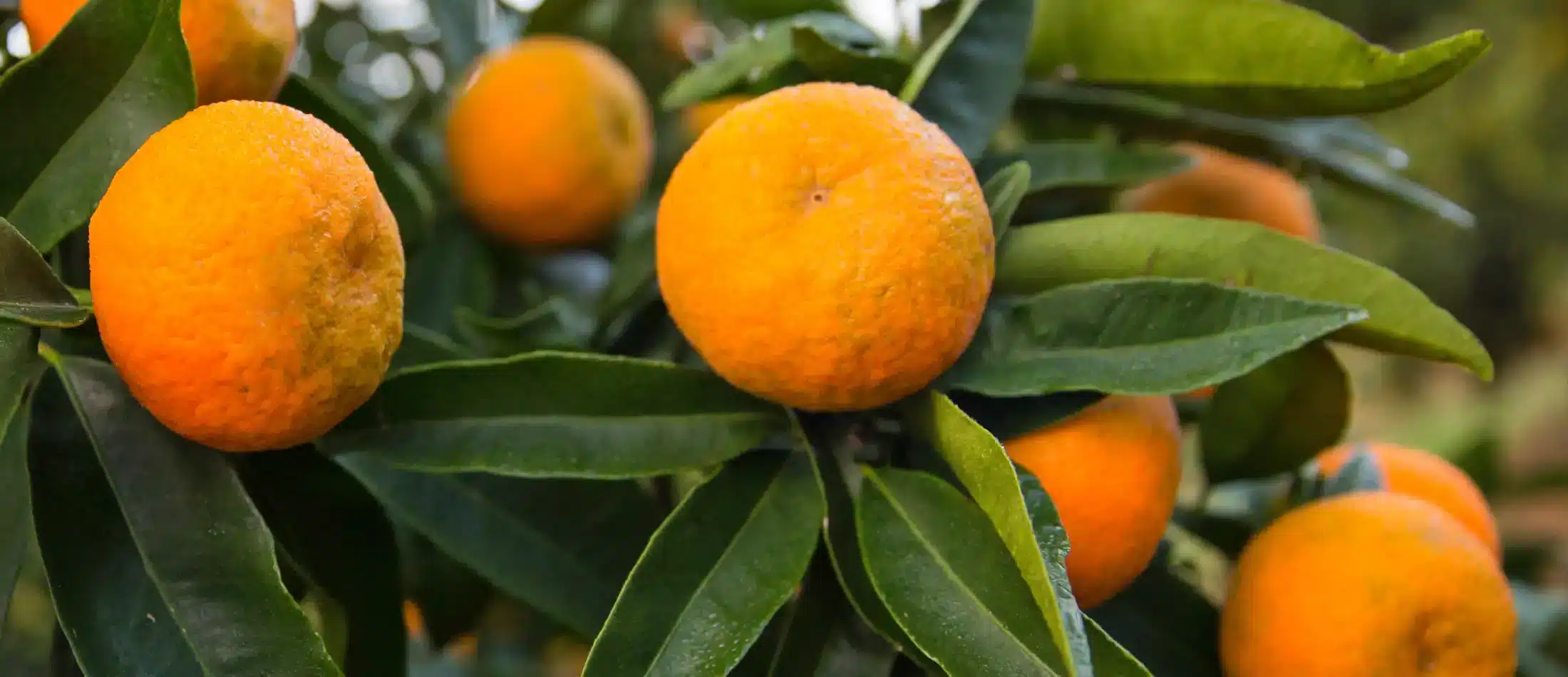
Grown mainly in the Eastern Plain, it benefits from a natural balance between sea and mountains. Moderate temperature fluctuations promote gradual ripening. The result is juicy flesh, a distinct aroma and the perfect balance of sweetness and acidity.
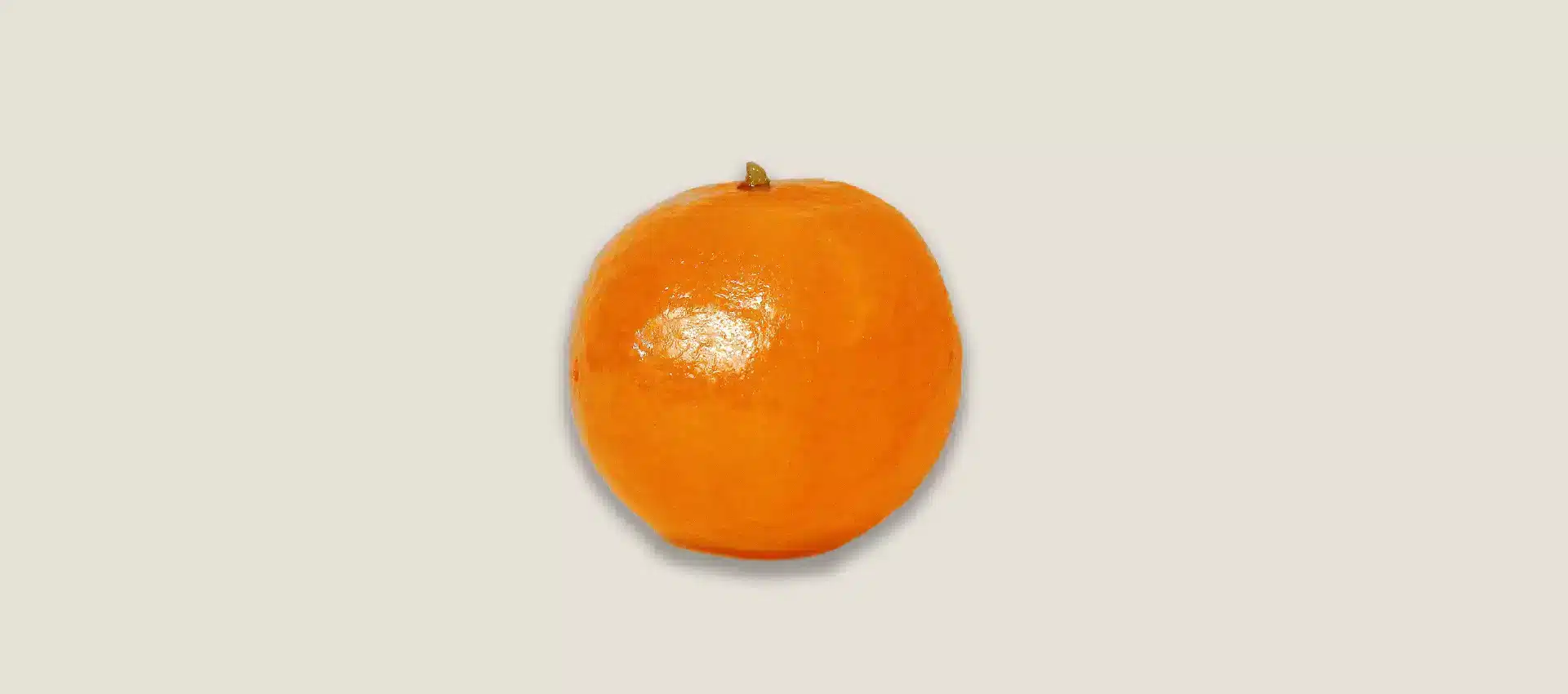
Visually, the Corsican clementine is distinguished by its thin, glossy skin, which is sometimes tinged with green at the base. This reflects both the Corsican climate and the fruit’s internal ripeness. Sold with its leaves intact, it is a sign of its immediate freshness and the fact that it has undergone no post-harvest treatment. Naturally seedless, it offers a clean, pure flavour.
A fruit made for candying
In the world of confectionery, every variety has its own unique story to tell. The Corsican clementine, for example, has valuable technical qualities.
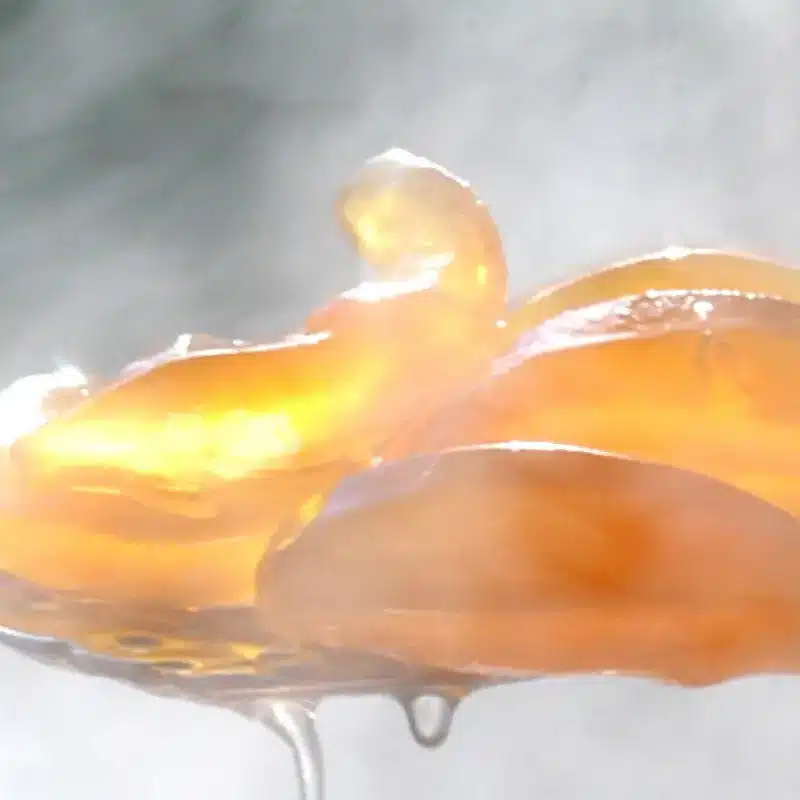
Its thin skin enables the syrup to slowly and evenly penetrate to the heart of the fruit. Its natural acidity balances the sweetness imparted by successive sugar baths. Even after prolonged candying, its flesh retains its firm texture. The result is a luminous, almost translucent candied fruit with a supple texture.
It is these characteristics that explain its popularity among chocolatiers and pastry chefs. Whole, it elevates a travel cake. Enveloped in dark chocolate, an intense contrast is revealed between bitterness and freshness.
The choice of land and the precision of the craft
At Lilamand, the selection of fruit begins long before the workshop. Pierre Lilamand travelled throughout Corsica to meet with cooperatives and growers. This process is based on dialogue, observation and time spent understanding each orchard.
He focused on a specific size: relatively small, fully ripe clementines. This size offers the ideal aromatic concentration and consistency for candying. The fruit retains its shape, absorbs the sugar gently and reveals its full flavour upon tasting.
This selection process at source reflects a strong conviction. The final quality is determined right at the tree, with the selection of the right fruit at the right moment.
A clementine transformed into a delicious confection
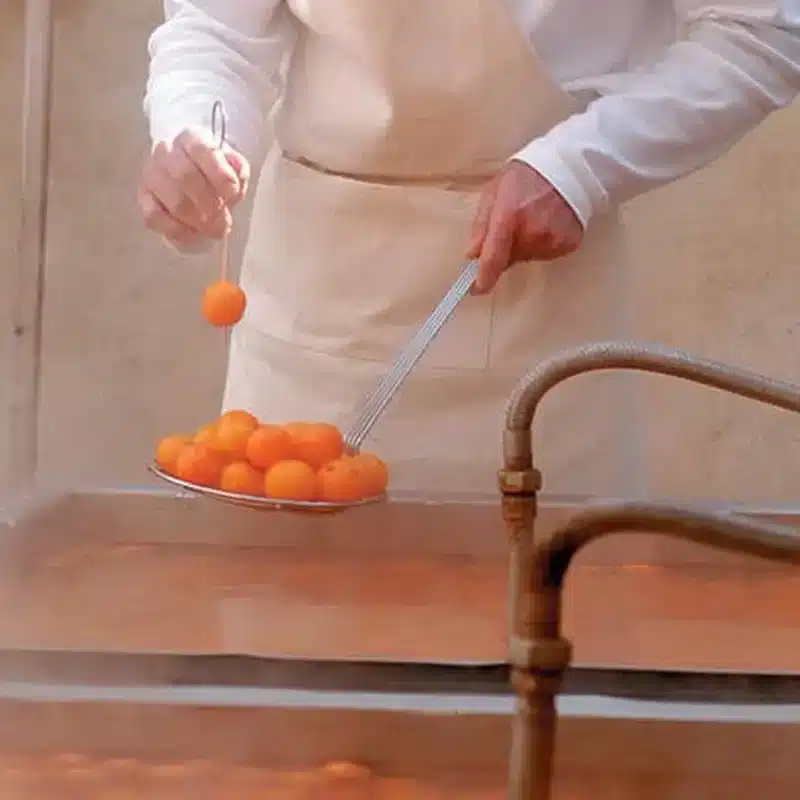
After harvest, the slow candying process transforms the clementine without ever rushing it. First pricked, then blanched and immersed in syrups of increasing concentration, the fruit evolves day by day. The water fades away and is replaced by sugar, leaving the fruit’s structure intact.
When tasted, the segments melt delicately. The citrus notes come through clearly. Sweetness envelops and acidity awakens. This candied clementine tells the story of its origin, climate and the attentive care of those who selected it.
This commitment, from orchard to copper basin, is what makes the Corsican clementine one of the finest examples of candied fruit. It is a delicacy with character, true to the spirit of Maison Lilamand.
Buy our 500g pastry assortment,
featuring Corsican clementines!